
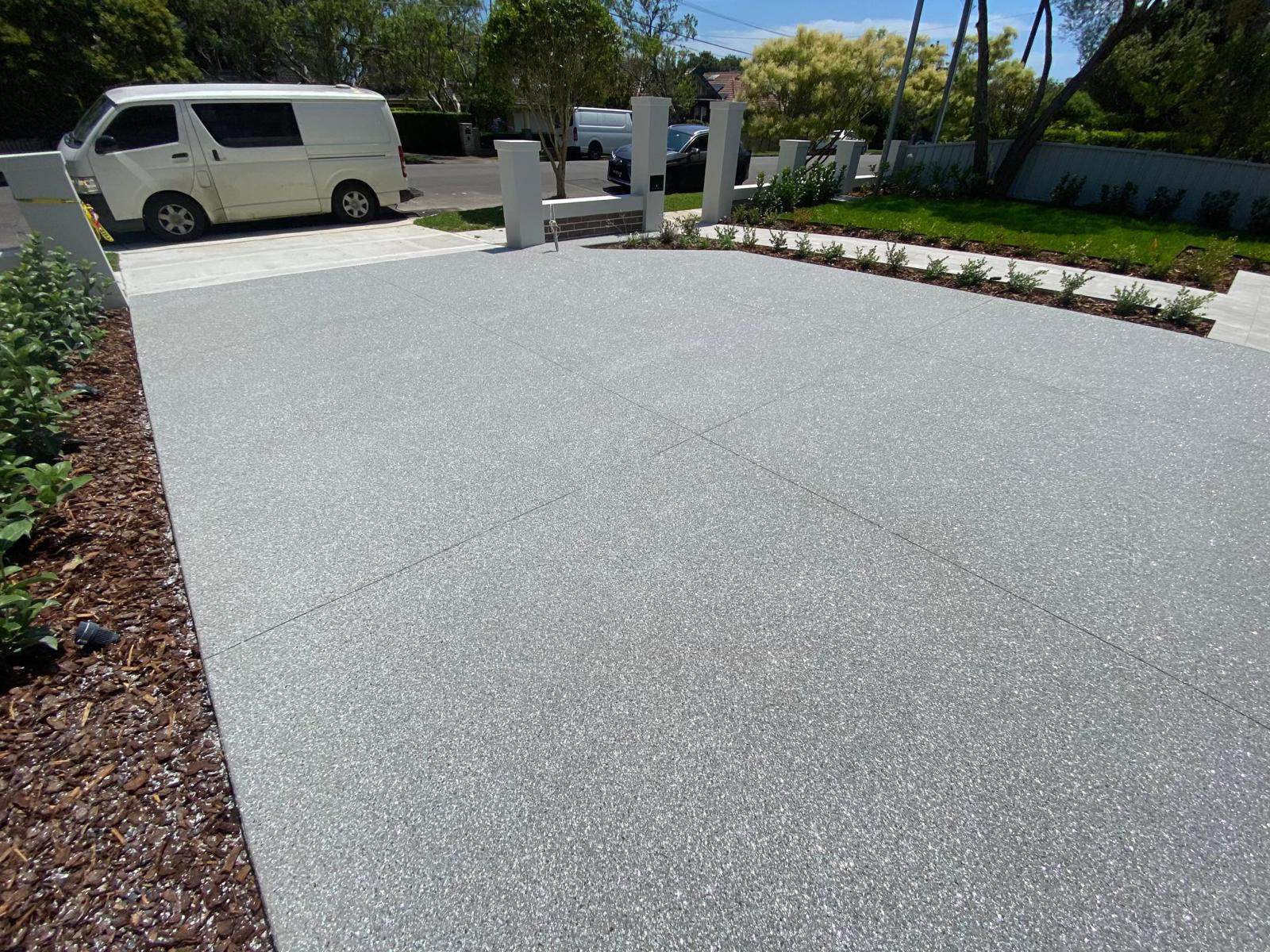
A concrete driveway represents a significant investment in your property, and proper care determines how long it stays looking good and performing well. Dirt, oil spills, weather exposure and daily vehicle traffic all take their toll over time, but the right maintenance approach can prevent premature wear and costly repairs. Understanding what your driveway needs and when it needs it makes all the difference between a surface that lasts decades and one that starts showing problems within just a few years.
The most effective concrete driveway maintenance tips focus on regular cleaning, timely sealing, early stain removal and addressing minor damage before it becomes major. These tasks don’t require specialised skills or expensive equipment, but they do need consistency and the right techniques for your specific type of concrete surface.
This guide walks you through the fundamentals of caring for your driveway, from choosing appropriate cleaning methods to knowing when protective sealing is needed. You’ll learn how to spot early warning signs of damage, what preventative measures work best for Australian conditions, and how to tackle common issues like cracks, stains and surface wear.
Fundamentals of Concrete Driveway Maintenance
Proper concrete driveway maintenance protects your investment and prevents minor issues from becoming expensive repairs. Understanding why maintenance matters, what causes wear, and how upkeep improves your property’s appearance helps you develop an effective care routine.
Why Regular Maintenance Matters
Your concrete driveway can last 30 years or more with consistent care. Without proper maintenance, you’ll face premature deterioration that shortens this lifespan significantly.
Neglect accounts for approximately 70% of driveway problems. Regular maintenance prevents water penetration, which is the primary cause of concrete degradation. When moisture seeps into the porous surface, it expands during freeze-thaw cycles, creating cracks and spalling.
Key maintenance benefits include:
- Preventing minor cracks from expanding into major structural issues
- Reducing repair costs by addressing problems early
- Maintaining a safe, even surface for vehicles and pedestrians
- Protecting against staining and discolouration
Routine inspections every six months allow you to spot issues before they escalate. This proactive approach saves money compared to reactive repairs, which can cost thousands of dollars when damage becomes extensive.
Common Causes of Driveway Wear
Temperature fluctuations create expansion and contraction in concrete, leading to stress cracks. Heavy vehicle loads compound this problem, especially when concentrated in specific areas.
Soil movement beneath your driveway causes settling and uneven surfaces. Poor drainage accelerates deterioration by allowing water to pool and penetrate the concrete. Road salt damages the surface through a chemical process called scaling, which accounts for roughly 20% of concrete damage.
UV exposure gradually breaks down the surface, causing fading and weakening the top layer. Oil, petrol, and other automotive fluids leave stubborn stains whilst also degrading the concrete’s integrity. Tree roots growing beneath the driveway push upward, creating cracks and displacement.
How Maintenance Enhances Curb Appeal
A well-maintained concrete driveway significantly improves your property’s first impression. Clean, sealed concrete presents a polished appearance that reflects positively on your entire home.
Regular cleaning removes stains that make your driveway look neglected. Pressure washing eliminates dirt, mould, and algae that accumulate over time. Sealing provides a uniform finish whilst enhancing the concrete’s natural colour.
Prompt crack repairs prevent your driveway from looking aged and deteriorated. Studies indicate that proper maintenance can extend your driveway’s aesthetic appeal by up to 25% beyond its typical lifespan. This enhanced appearance contributes directly to property value, making driveway maintenance a worthwhile investment.
Your driveway occupies substantial visible space on your property. Keeping it in excellent condition creates a cohesive, well-cared-for appearance that extends from the street to your front door.
Cleaning Concrete Driveways Effectively
Regular cleaning protects your concrete driveway from dirt accumulation, prevents permanent staining, and maintains its structural integrity. Proper cleaning techniques combined with suitable products keep your driveway safe and visually appealing for years.
Routine Sweeping and Rinsing
Sweeping your driveway weekly removes loose dirt, leaves, and debris that can stain the surface over time. Use a stiff-bristled broom to clear the entire surface, paying attention to edges where debris accumulates.
Rinsing with a garden hose after sweeping washes away fine particles and prevents them from embedding into the concrete’s pores. This simple step takes only minutes but significantly reduces the need for intensive cleaning later.
For driveways under trees or in high-traffic areas, increase sweeping frequency to twice weekly. This prevents organic matter from breaking down on the surface and causing discolouration.
Removing Stains and Oil Spills
Oil and grease stains require immediate attention to prevent permanent damage. Sprinkle cat litter or baking soda over fresh spills to absorb the liquid, then sweep away after several hours.
For set-in oil stains, apply a concrete degreaser directly to the affected area. Scrub with a stiff brush using circular motions, allowing the product to penetrate for 10-15 minutes before rinsing thoroughly.
Rust stains respond well to specialised rust removers designed for concrete surfaces. Avoid using acidic cleaners without testing in an inconspicuous area first, as they may damage or discolour your driveway.
Tyre marks can be removed using a pH-neutral concrete cleaner and firm scrubbing. Never use harsh chemicals or solvents that can deteriorate the concrete surface.
Choosing and Using a Concrete Cleaner
Select pH-neutral cleaners for regular maintenance, as they effectively remove dirt without damaging your driveway’s surface. These cleaners are safe for surrounding vegetation and won’t degrade the concrete over time.
For specific problems, match your cleaner to the stain type:
- Oil and grease: Concrete degreasers with alkaline formulas
- Rust: Oxalic acid-based rust removers
- General grime: Mild detergent or pH-neutral concrete cleaner
- Mould and mildew: Oxygen bleach solutions
Always follow manufacturer instructions regarding dilution ratios and application methods. Test new products on a small, hidden section before treating the entire driveway.
Apply cleaners during cooler parts of the day to prevent rapid evaporation. Allow the product adequate dwell time to break down stains before rinsing.
Pressure Washing Techniques
Pressure washers provide deep cleaning for concrete driveways when used correctly. Set your pressure washer to 3000-4000 PSI for concrete surfaces, using a 25-degree nozzle to balance cleaning power with surface protection.
Maintain a consistent distance of 30-40 centimetres between the nozzle and concrete surface. Holding the nozzle too close can damage the concrete, creating pitting or surface erosion.
Work in systematic, overlapping strokes rather than focusing on one spot. Move the nozzle in sweeping motions to ensure even cleaning without creating visible patterns or lines.
Pre-treat stubborn stains with appropriate concrete cleaners before pressure washing for best results. Avoid pressure washing sealed driveways too frequently, as excessive use can strip protective sealants and require reapplication.
Sealing and Protecting Your Driveway
Applying a concrete sealer creates a protective barrier that shields your driveway from moisture, stains, and UV damage. The right sealer type and proper application techniques can extend your concrete driveway’s lifespan by 25-30%.
Benefits of Concrete Sealers
A concrete sealer provides essential protection against water penetration, which is the primary cause of cracks and spalling in Australian climates. When moisture seeps into unsealed concrete and undergoes freeze-thaw cycles or thermal expansion, it creates structural damage that leads to costly repairs.
Sealed surfaces resist oil, grease, and chemical stains that permanently discolour untreated concrete. You’ll find cleaning your driveway far easier when contaminants sit on the surface rather than absorbing into the pores. UV protection prevents colour fading and surface degradation, keeping your concrete looking newer for longer.
The protective layer also reduces efflorescence, that white powdery substance that appears on unsealed concrete. Two thin coats of quality sealer can provide up to 50% more protection against water and stains compared to a single application.
Selecting the Right Sealer: Acrylic, Penetrating and More
Acrylic sealers form a film on the concrete surface, offering excellent UV resistance and enhancing appearance with a glossy or matte finish. They dry quickly, typically within 4-8 hours, and work well for decorative concrete. You’ll need to reapply acrylic sealers every 2-3 years.
Penetrating sealers soak into the concrete pores, creating a chemical barrier without changing the surface appearance. These sealers offer superior longevity, lasting 5-10 years, and provide excellent breathability for your driveway. They’re ideal if you prefer a natural look.
Epoxy sealers deliver the strongest protection but require longer curing times (24-48 hours) and cost more. They’re best suited for driveways experiencing heavy vehicle traffic or frequent chemical exposure.
Choose based on your priorities: appearance, durability requirements, and budget.
Application Timing and Best Practices
Apply sealer when temperatures range between 10°C and 32°C, with no rain forecast for 24 hours. Your concrete must be completely dry, as moisture trapped beneath the sealer causes cloudiness and adhesion failure.
Clean the surface thoroughly using a pressure washer set to at least 2,500 PSI. Fill all cracks with concrete repair caulk before sealing. Allow new concrete to cure for at least 28 days before applying any sealer.
Pour the sealer in manageable sections and spread evenly using a roller or sprayer. Apply two thin coats rather than one thick coat, waiting 4-6 hours between applications. Avoid walking or parking on the surface for 24-48 hours after the final coat.
Re-seal your driveway every 2-3 years for acrylic products or 5-7 years for penetrating sealers to maintain optimal protection.
Prevention and Repair of Driveway Damage
Protecting your concrete driveway requires both proactive prevention and timely repairs when damage occurs. Addressing small cracks quickly, managing winter chemicals carefully, and using safe traction methods will preserve your driveway’s structural integrity and appearance.
Repairing Small Cracks with Concrete Crack Filler
Small cracks in your concrete driveway need immediate attention to prevent water infiltration and further deterioration. Cracks measuring less than 6 mm wide are suitable for DIY repair using concrete crack filler.
Start by clearing all loose debris, dirt, and vegetation from the crack using a wire brush or compressed air. This preparation ensures the filler adheres properly to the concrete surface.
Application steps:
- Select a high-quality polyurethane or epoxy-based concrete crack filler appropriate for outdoor use
- Apply the product using a caulk gun for narrow cracks or pour directly for slightly wider gaps
- Smooth the surface level with a putty knife to create an even finish
- Allow proper curing time according to manufacturer instructions before exposing to traffic
Cracks wider than 6 mm or those that reappear frequently indicate underlying structural issues. These situations require professional assessment to determine if soil settlement, poor drainage, or inadequate base preparation is causing the damage.