
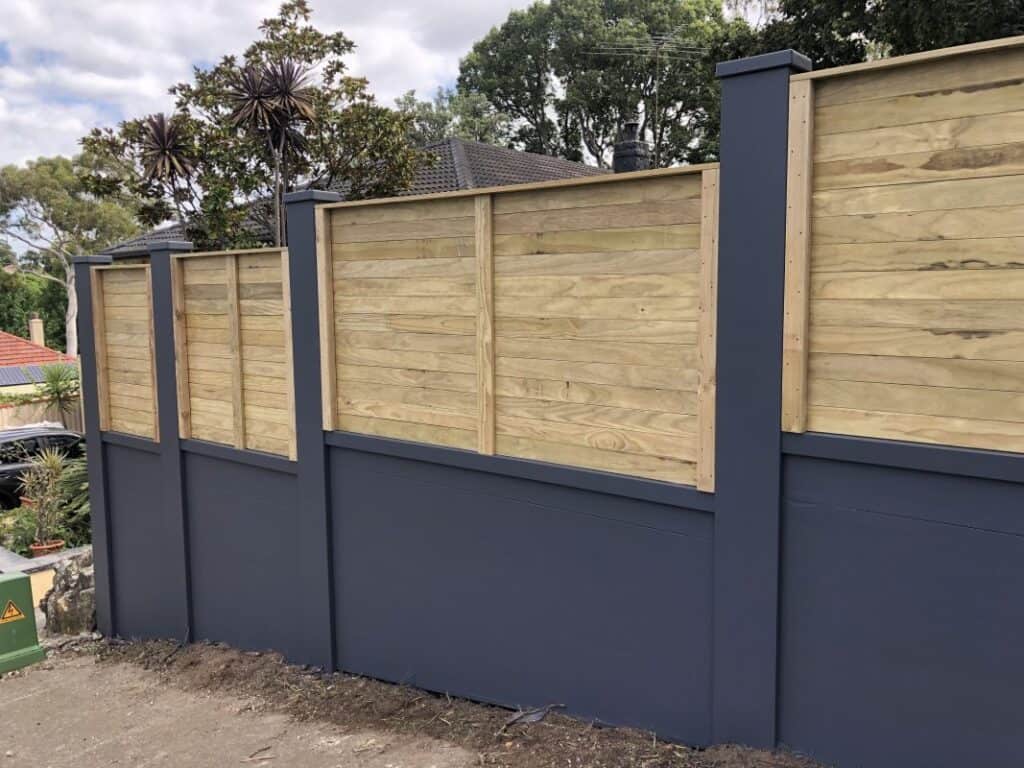
So you’re thinking about putting up a new fence? Good on ya – it’s one of those things that can really make a difference to your property. You might want some more privacy or security? Or maybe your nosy neighbour doesn’t know how to mind their own business?
Theres plenty of reasons you may want to put a new fence up, but theres also plenty of regulations you have to abide by. Trust me getting it wrong can cost you heaps and cause massive headaches.
Fences you can just build
The good news is lots of fences don’t need any approval at all. They fall under the category of “exempt development” which basically means you can build it without asking anyones permission first.
This covers most residential areas plus rural, business and industrial zones too.
But there’s always catches right? Here’s what you need to know about exempt fences:
- Side and back fences can usually go up to 1.8 metres high
- Brick or block fences are limited to 1.2 metres
- Front fences are stricter – usually around 1.2 metres max
- Fences near roads often need to be 50% see-through
- Gates can’t open outwards onto public areas
- Corner blocks have special sightline requirements
If you want to build your fence by a road you may have to make some of it see through so drivers can be able to see where they are going. Makes sense when you think about it but it can limit your options if you want total privacy. Usually they want at least 50% transparency which means picket fencing or something like that with gaps.
The location matters heaps too. Corner blocks have different rules because of sightlines at intersections. If you’re on a busy road the requirements might be even stricter. You may need to do your own personal research if you are still unsure about specifics.
Common mistakes to avoid
Building without checking the regulations is obviously the big one. But there are also small details that can trip you up too. Be sure to check for undergroun services before you start digging, if you hit a pipe things can get messy. Not talking to neighbours about shared fences causes heaps of problems.
The biggest mistakes people make:
- Assuming all councils have identical rules
- Not getting neighbour agreement for boundary fences. If your fence is shared with a neighbour, the Dividing Fences Act 1991 comes into play.
- Not checking for underground services before digging
- Building on easements or setback areas
- Using wrong materials for bushfire zones
- Ignoring height restrictions in their area
Assuming all councils have the same rules is another mistake. Each council is different and has their own rules for their own area.
Using the wrong materials for your zone is pretty common too. People see a nice fence somewhere else and want the same thing without realising that type of materials isn’t allowed in your suburb.
Materials matter too
These days with all the bushfires if you’re in a bushfire area you probably know you can’t just use any old materials. You have to make sure you find non-combustible or proper hardwood. Bit more expensive but that’s just how it is now after all the fires we’ve had.
The main material requirements are:
- Bushfire areas need non-combustible or hardwood materials
- Treated pine usually won’t cut it in high-risk zones
- Colorbond ticks most boxes and needs minimal maintenance
- Timber looks good but check if it’s approved for your area
- Metal fencing usually passes bushfire requirements
Colorbond’s popular because it ticks the bushfire box and doesn’t need to be heavily maintained. Timber is beautiful but you have to make sure it is suitable for your area. Treated pine probably won’t cut it in high risk areas.
Oh and gates can’t open out onto footpaths or roads. Council gets pretty strict about gates that swing into public areas because of liability issues.
Different zones, different rules
Residential’s probably the most straightforward. Rural properties often get more leeway with height because of stock containment and that sort of thing. Industrial zones have their own requirements but they are usually more about security than the look of them.
Here’s how different zones work:
- Residential – most restrictive on height and materials
- Rural – usually more flexibility for stock fencing
- Industrial – higher fences allowed but setback rules apply
- Business zones – security focus but aesthetic requirements too
- Environmental protection – strictest rules, sometimes no fencing allowed
Environmental protection also plays a role so you may be denied if your fence cuts into wildlife.
When you need paperwork
If your fence doesn’t fit the basic exempt development rules you might still be able to build it under “complying development”. This may sound fancy but it simply means you need a certificate from the council first.
This is where things can get expensive pretty quickly.
The complying development process involves:
- Application forms and fees (usually $500-2000)
- Detailed drawings showing dimensions and materials
- Possibly soil tests or engineer reports
- Waiting period of 2-8 weeks typically
- Site inspections during construction
- Final compliance certificate
Things that’ll trip you up
If your place is heritage listed or in a conservation area there’s probably extra rules about what materials and colours you can use and there may even be restrictions on design styles. Sometimes you can’t fence at all if it affects the heritage.
Common traps that catch people out:
- Heritage areas have special material and design requirements
- Shared boundary fences need neighbour agreement
- Tree removal often needs separate approval
- Underground services must be located before digging
- Easements might prevent fencing in certain areas
- Pool fencing has mandatory safety standards
Pool fencing – special rules
If you want to build a pool fence then you have to focus on pool safety regulations. You must meet the standards for pool safety. They are pretty strict but for good reasons because kids, elderly people and animals can fall into pools easily.
Pool fencing must meet these requirements:
- Minimum 1.2m height with no climbable elements
- Self-closing, self-latching gates that open outwards
- No gaps larger than 100mm anywhere in the fence
- Rigid construction that can’t be pushed over
- Professional inspection and compliance certificate required
Pool fencing inspections are mandatory too. You need to havesomeone come have a look and inpect your area. You need a certificate of compliance before you can use the pool. Don’t try to cut corners here, the safety requirements exist because kids drown in backyard pools every year.
Getting it sorted
If this is sounding super overwhelming then that’s okay! You can get in contact with Master Groups to help you sort out all the specifics for your property.
We deal with this stuff all the time so we know what works and what doesn’t. We’ve seen all the common mistakes and know how to avoid them. So we are more than happy to have a chat about what you’re planning and make sure you don’t run into any problems.
Give us a call if you want to talk through your options. We can look at your property and discuss with you what you want and then take it from there!