
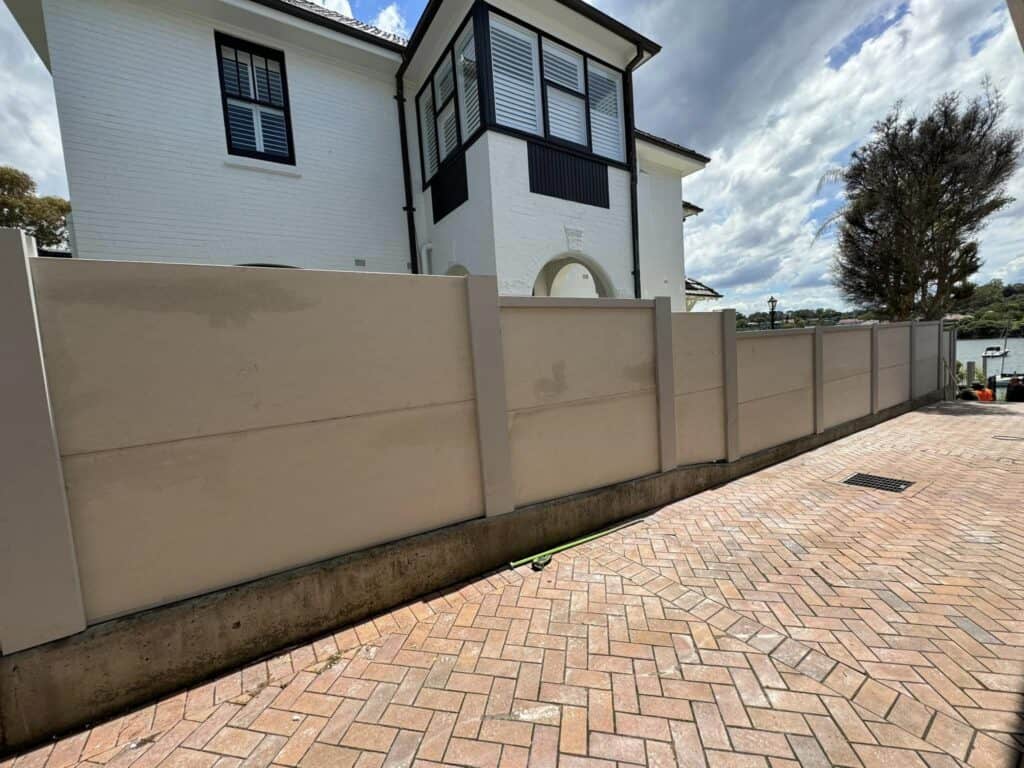
A fence does more than mark where a property ends. It provides security, privacy, and safety while increasing a home’s value and visual appeal. Many homeowners overlook how much a well-planned fence can improve daily life and protect what matters most.
The right fence creates a barrier that keeps children and pets safe while keeping unwanted visitors out. It blocks noise from busy streets and shields outdoor spaces from wind and weather. A fence also stops neighbors from looking into private yards and prevents wildlife from damaging gardens.
This article explores how fencing transforms a property through practical benefits and smart design choices. Readers will learn about core advantages like security and privacy, how fences boost curb appeal and home value, and what to consider when selecting materials and styles that fit their needs.
Core Benefits of Home Fencing
A fence transforms a property by addressing three fundamental homeowner needs. Installing a fence creates a physical barrier that protects the home, blocks unwanted views, and marks where one property ends and another begins.
Enhancing Home Security
A fence serves as the first line of defense against unwanted visitors and potential intruders. The physical barrier makes it harder for trespassers to access the property, forcing them to make a deliberate effort to enter. Most intruders avoid homes with fences because they prefer easy targets.
Key security advantages include:
- Deterring opportunistic criminals from entering the property
- Slowing down intruders and making break-ins more visible
- Keeping strangers away from windows and doors
- Creating a controlled access point through gates
The height and style of the fence matter for security purposes. A six-foot solid fence provides more protection than a three-foot decorative option. Materials like metal or wood offer different security levels based on their strength and visibility.
Homeowners with children and pets gain peace of mind knowing the fenced yard keeps family members safely contained. The barrier prevents young children from wandering into streets and keeps pets from running away.
Increasing Privacy in Your Yard
A privacy fence blocks the view into outdoor living spaces from neighbors and passersby. Solid panels made from wood, vinyl, or composite materials work best for complete visual separation. These fences typically stand between six and eight feet tall.
Privacy transforms how families use their yards. People feel more comfortable hosting gatherings, swimming, or relaxing outdoors when they’re not visible to others. The enclosed space becomes an extension of the home’s private living areas.
A fenced yard also reduces noise from nearby streets and neighboring properties. The solid barrier absorbs and deflects sound waves, creating a quieter outdoor environment. This benefit proves especially valuable in urban or suburban areas with close-set homes.
Defining Property Boundaries
Property boundaries often cause disputes between neighbors when lines aren’t clearly marked. House fencing establishes a visible marker that shows exactly where one lot ends and another begins. This clarity prevents accidental encroachment and disagreements about land use.
A fence installed on the property line requires checking local surveys and regulations first. Most areas have specific setback requirements that determine how close a fence can sit to the actual boundary. Working with accurate property documents ensures the fence goes in the right location.
Clear boundaries also help with landscaping and maintenance planning. Homeowners know exactly which areas fall under their responsibility. The defined space makes it easier to design gardens, install features, and maintain the yard without confusion about ownership.
Aesthetic and Financial Advantages
A well-chosen fence transforms a property’s appearance while delivering measurable financial returns. These improvements range from immediate visual impact to long-term value increases that benefit homeowners for years.
Boosting Curb Appeal
Home fencing creates an immediate visual framework that defines and enhances a property’s exterior. A freshly installed fence draws attention to landscaping features and architectural details that might otherwise go unnoticed. Different fence styles serve different aesthetic purposes—a white picket fence creates a classic, welcoming look, while horizontal slat designs offer modern sophistication.
Material choices shape the overall impression. Wood fences provide warmth and natural texture. Metal options deliver clean lines and contemporary style. Vinyl fencing maintains its appearance with minimal upkeep.
The right fence color coordinates with home exteriors, creating visual harmony across the entire property. Darker tones add depth and drama, while lighter shades open up smaller yards. Strategic fence placement also frames outdoor living areas, making gardens and patios feel more intentional and designed.
Raising Property Value
Fencing typically adds 3-5% to a home’s market value when properly maintained. Buyers actively seek properties with existing fences, viewing them as move-in ready features that save thousands in installation costs.
Security and privacy features drive much of this value increase. Families with children or pets prioritize fenced yards, expanding the pool of interested buyers. Properties in urban areas see particularly strong returns, where privacy is scarce.
The condition matters significantly. A deteriorating fence can actually decrease property value, while a newer installation signals overall property care. Quality materials justify higher asking prices—cedar, composite, and wrought iron command premium valuations compared to chain-link options.
Noise Reduction and Environmental Protection
Solid fence panels block street noise, reducing sound levels by 6-10 decibels in outdoor spaces. This creates quieter environments for conversations, relaxation, and sleep in adjacent bedrooms. Tall wooden or vinyl fences perform best for sound dampening.
Fences shield yards from wind and blowing debris, protecting landscaping investments from weather damage. They create microclimates that allow delicate plants to thrive in otherwise harsh conditions. Strategic fence placement reduces heating costs by blocking winter winds from reaching home exteriors.
Privacy fences also filter dust and air pollution from nearby roads. Dense fence designs trap particulates before they settle on outdoor furniture or enter through open windows.
Selecting the Right Fencing Option
Different materials offer distinct advantages for homeowners. The best choice depends on budget constraints, desired maintenance levels, and how long the fence needs to last.
Comparing Popular Fencing Materials
Wood fencing provides a classic look and works well for privacy. Homeowners can customize the height and finish to match their home’s style. However, wood requires regular staining or painting to prevent weather damage and rot.
Vinyl fence materials resist weather, pests, and UV damage better than most alternatives. This option suits modern homes and busy homeowners who want minimal upkeep. A simple wash with soap and water keeps vinyl looking new for years.
Chain-link fence installations cost less than most other fencing options. They create clear property boundaries while allowing visibility. This material works well for pet containment and garden protection, though it offers little privacy.
A picket fence adds decorative appeal to front yards. The design creates curb appeal without blocking views completely. Homeowners can choose from wood or vinyl picket styles based on their maintenance preferences.
Balancing Cost, Maintenance, and Durability
Initial costs vary widely between materials. Chain-link offers the lowest upfront expense, while iron and vinyl typically cost more. Wood falls in the middle price range but requires ongoing maintenance expenses.
Maintenance needs directly affect long-term costs. Wood demands the most attention through regular sealing and repairs. Vinyl and chain-link need occasional cleaning but resist damage well. Metal options require rust prevention treatments every few years.
Durability affects replacement timelines. Vinyl lasts 20-30 years with minimal care. Wood typically needs replacement after 15-20 years. Chain-link can last 15 years or more when properly maintained. The climate and local weather patterns also impact how long each material performs.